
Chipotle’s (CMG) operating performance has come under tremendous pressure in recent months due to a number of reports linking illness in customers to its restaurants. At first, we thought the situation would be relatively contained to just a few dozen instances of sickened customers, but more concerns have come to light since we last commented on the topic. The media is having a field day.
Can a company that prides itself on “Food with Integrity” endure, and why so many different causes of illness, from E. coli to salmonella to the norovirus? Could these events mark the beginning of the end of the burrito-making giant’s growth prospects, or is the bad press just a hiccup of indigestion, soon to be relieved with better sourcing and training practices?
Background
The situation began this past summer, after a small case of E. coli was reported in Seattle in July. The issues in the Northwest eventually resulted in the closing of 43 Chipotle restaurants in Washington and Oregon despite only 10 restaurants being linked to the illness of more than 50 people in the two states. Things have only gotten worse since.
In late August 2015, a salmonella outbreak linked to 17 Chipotle restaurants in Minnesota sickened at least 45 people and sent five to the hospital. Also in August, perhaps the worst case connected to Chipotle was the norovirus outbreak took place at a Chipotle restaurant in Simi Valley, California, causing 234 people, including 17 employees, to fall ill. In relation to this case, Chipotle has been served with a Federal Grand Jury Subpoena from the US District Court for the Central District of California.
On December 7, another high-profile case took place at a Chipotle near Boston College, where 136 Boston College students were sickened after dining at the fast-casual restaurant. Though, according to Boston officials, the Boston College outbreak was likely caused by a sick employee, unrelated to other instances where E. coli had been suspected, and the Chipotle restaurant in question reopened just a few weeks after the incident, the bad press has only added to the restaurant’s nightmare.
The month of December connected five additional E. coli cases in three different states to Chipotle restaurants.
Expect Terrible Results In the Near Term
The near term won’t be easy for the fast-growing chain.
Chipotle plans to report an abysmal fourth quarter in the midst of a company history that has been full of nothing but strong growth numbers. Chipotle now expects comparable restaurant sales to fall by 14.6% in the fourth quarter of 2015 and December comparable restaurant sales to be down 30% from the comparable period in 2014. The company expects to record non-recurring expenses during the fourth quarter in the range of $14-$16 million associated with recent events (food replacement costs in select restaurants, lab analysis of food samples and environmental swabs, increased marketing expenses, retaining expert advisory services related to epidemiology and food safety, and preliminary estimates for legal claims and related expenses).
These factors are also expected to drive the firm’s restaurant level operating margin to a range of 20%-21% in the fourth quarter; through the first three quarters of 2015, for comparison, its restaurant level operating margin was recorded at 27.9%, and in the fourth quarter of 2014 Chipotle reported a restaurant level operating margin of 26.6%. The company expects diluted earnings per share to be in a range of $1.70-$1.90 for the last quarter of 2015, less than half of the reported diluted earnings per share in the fourth quarter in 2014 of $3.84.
We’d expect weakness in same-store sales to continue into 2016, and while management may paint an optimistic picture for the back half of the year (as most management teams have done when encountered with similar dislocations), consumers are clearly being deterred by the illness outbreaks, even if they end up only being temporary setbacks for the burrito-making giant.
But as Chipotle’s momentum fades, who might be reaping the benefits of its falling traffic?
Who’s Eating Chipotle’s Lunch?
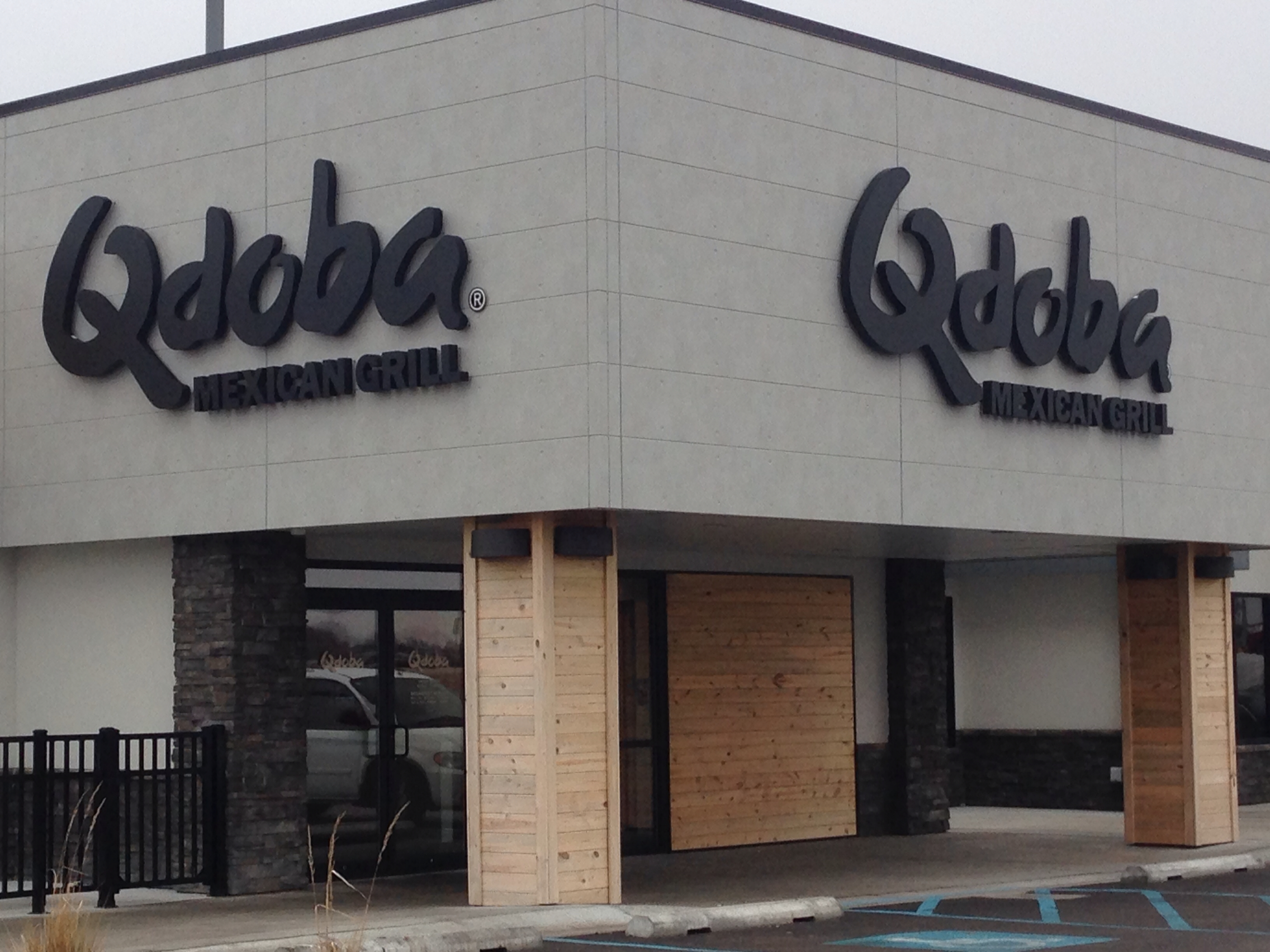
The most likely answer to the question of Chipotle traffic vultures is other burrito-based restaurants such as Jack in the Box’s (JACK) Qdoba and privately-owned Moe’s Southwest Grill. In fiscal 2015, which ended September 27, Qdoba reported strong system-wide same-store sales growth of 9.3%, and it is reasonable to expect that number to remain as strong as ever in the calendar fourth quarter of 2015. Further, Qdoba’s second half of fiscal 2015 same-store sales outpaced that of the larger Chipotle.
Fast-casual pizza joints may also benefit, but perhaps the next most logical winner is its contemporary in leading the fast-casual, health-focus charge, Panera Bread (PNRA). Aspiring consumers may seek to continue to swap a few tacos for higher-end bakery items. In recent quarters, Panera has reported solid comparable restaurant sales growth in the low-to-mid-single digit range; as of its third-quarter report, released October 27, the firm is targeting company-owned net bakery-cafe sales growth of 2%-3.5%.
Panera might beat its estimates for the year, given the languishing performance of one of its major rivals in the fast-casual space. It’s worth noting the bakery recently announced that its entire US bakery-café soup menu no longer contains artificial colors, flavors, sweeteners, and preservatives. This could be a major draw when considering the news surrounding Chipotle and its food sourcing and food safety issues. Rivals are striking while the iron is hot.
Growing fast-casual Mediterranean chain Zoe’s Kitchen (ZOES) could also be a beneficiary of the Chipotle traffic slide, and any number of fast-food chains–such as McDonald’s (MCD), KFC (YUM), Taco Bell, and Wendy’s (WEN)–have the potential to garner incremental lunch and dinner traffic as consumers may sacrifice short-term health benefits to avoid the stigma of food-caused illnesses at Chipotle.
Is Chipotle’s Brand Permanently Tarnished?
Not from our perspective.
Though certainly a public relations nightmare, we don’t believe the recent wave of health scares will fully unravel Chipotle’s long-term growth potential, even if they test the firm’s resiliency and challenge the executive team’s ability to handle adversity. We’ve witnessed bird flu scares and sourcing issues that have plagued Yum Brands’ KFC and McDonald’s in China, for example, only to see consumers come back to those brands over the course of 6-12 months, even in the face of increasing competition. If you recall, McDonald’s brand was severely tarnished a decade or so ago, until it revamped its menu to include more health-oriented items. Remember the documentary Supersize Me?
As in those cases, we think Chipotle will be able to improve both sourcing and marketing to restore a positive perception in time. We can also point to other consumer-related brand missteps that eventually worked themselves out as headlines faded. Who can forget the US Olympic skating team debacle and Under Armour (UA) or the ultra-sheer (see-through) yoga pants from lululemon (LULU)? These two public relations nightmares eventually resolved themselves in time. In many ways, the events of 2015 may make Chipotle a stronger organization over the long haul, as it improves sourcing practices, builds better oversight on the ground and adds a deeper executive team with greater accountability.
Time will heal this wound, in our view, and our bet will be on a full fundamental recovery at Chipotle, the timing of which the only uncertainly.
Will We Add Chipotle to the Best Ideas Newsletter? What About Qdoba?
Without a doubt, we’ve been big fans of Chipotle’s fundamentals and growth story and have been waiting for a potential entry point to open a small position in the firm for some time. Despite the large slide in shares that has taken place since November, however, shares aren’t yet attractive on a discounted cash flow basis, and with the company trading at nearly 30 times 2016 earnings estimates, it’s difficult to make the case that the company is attractively valued in any respect.
That’s not the half of it though.
Many aggressive-growth, technically-oriented investors may still be caught with overweight positions in their funds and many may continue to shed shares for some time as the company’s metrics undoubtedly fall short of what they had been modelling. Quite simply, it’s going to take some time for these types of investors to completely move out of the equity–many don’t want to explain to outside investors why they continue to hold the stock, and this means “sell.” A still-lofty valuation coupled with “portfolio-manager angst” may end up overly punishing shares.
Chipotle is on our radar for addition to the Best Ideas Newsletter portfolio, but we won’t pull the trigger until shares “settle” and its valuation becomes far more attractive than current levels. We also can’t lose sight of the view that Chipotle’s shares have only fallen to late-2013 levels, hardly a disaster in this context, and an entry point in the mid-$300 range is something far more palatable, if only we start nibbling at those levels. Notably, shares of Jack in the Box, the owner of Qdoba, aren’t attractively valued either, and the most we can say at this point is that we’re watching both very closely. We need to get the right price.
Please be sure to visit each firm’s valuation report for more information on how we arrive at our fair value estimates, fair value ranges, and Valuentum Buying Index ratings for firms mentioned in this article.