
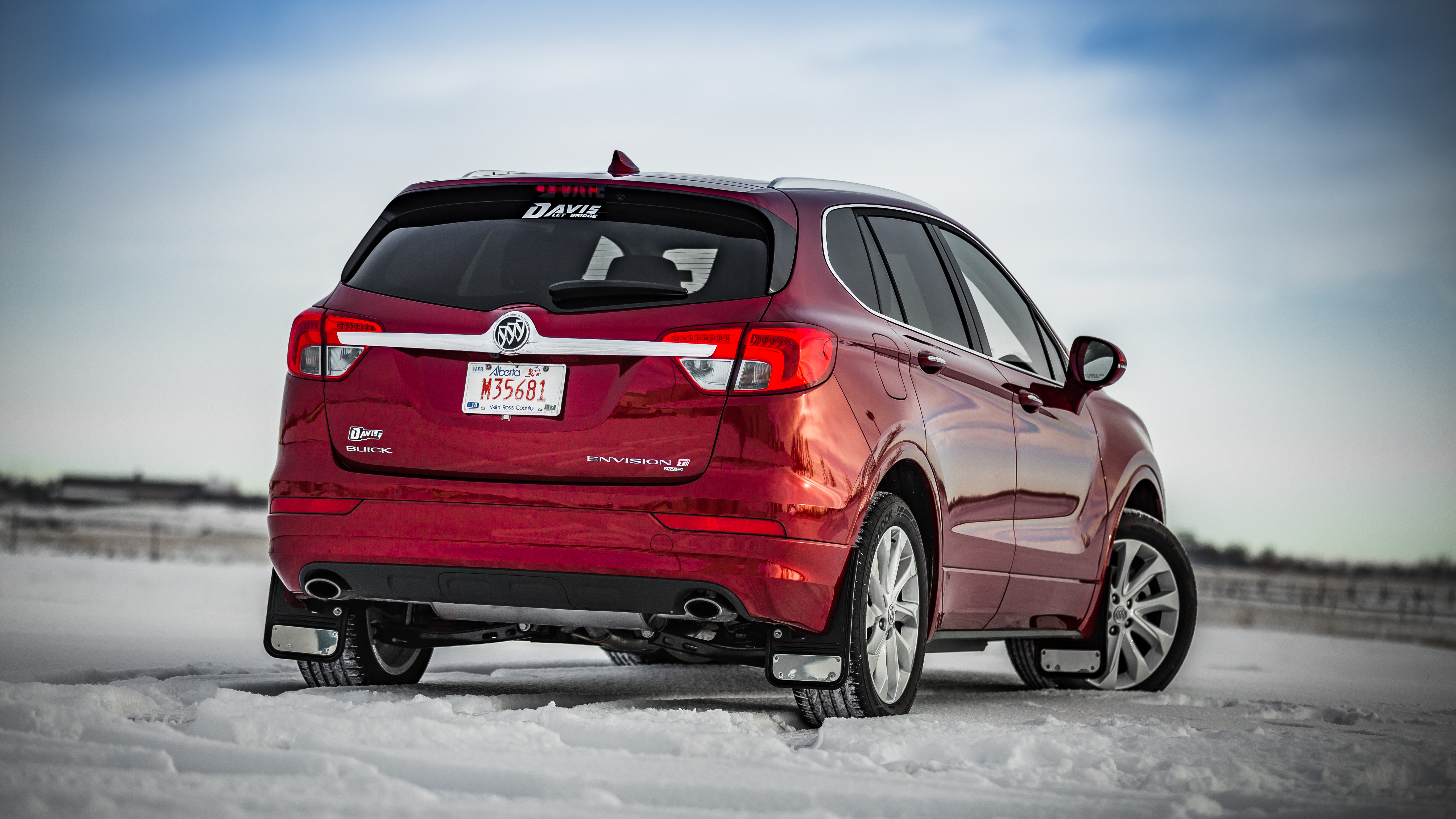
Image Source: Truck Hardware
A potential easing of tariffs on auto imports to China, as President Trump had previously hinted, has improved sentiment across the auto manufacturing space as investors eye up the potential for more free exchange of autos between the world’s two largest economies.
By Kris Rosemann
US equities continue to be quite sensitive to US-China trade talk reports, and the auto manufacturing space has been the most recent beneficiary of potentially favorable developments. China (FXI) is reportedly considering a reduction of its auto import tariff to 15% from 40%, a win President Trump had pointed to as a positive development resulting from his meeting with Chinese officials during the recent G20 summit. The month of November marked the sixth straight month of declining car sales in the world’s second-largest economy, which could bring the Chinese auto market to its first annual decline since 1990.
Shares of a number of automakers moved higher following the news December 11 as the move would bring the import tax automakers from the US pay in line with that of other countries and to the rate that had been in place prior to the escalation of trade tensions earlier this year. However, those that stand to gain the most from the change may not be American companies but rather foreign automakers that produce cars in the US for the Chinese market, including BMW AG (BMWYY) and Daimler (DMLRY). Daimler expects to benefit from the potential tariff reduction as it had warned earlier in 2018 over the impact import tariffs would have on its high-margin Mercedes-Benz vehicles it imports to China from the US. Six of China’s top ten selling US auto imports in 2018 are expected to be BMW or Mercedes SUVs.
China is the largest market by units sold for simulated newsletter portfolio idea General Motors (GM), but it operates in the country via multiple joint ventures and has in-country production of nearly all of its vehicles and parts sold there. Detroit-rival Ford (F) also produces a large number of its China-bound offerings in the country, but its luxury brand Lincoln line-up, which typically carries higher margins, is imported to China. Fiat Chrysler (FCAU) is in a similar boat as Ford with a bulk of its production for the Chinese market taking place in China, but it does import a number of popular product lines to the country, including the Jeep Wrangler and Grand Cherokee. Tesla (TSLA) should benefit materially as well as the company had planned to absorb the negative impact of the higher tariff in an effort to keep its cars affordable in the Chinese market.
Worth noting, however, is the potential for a response of the reduction of tariffs in the opposite direction, or imports from China to the US, should China follow through with its proposal. GM would be a notable beneficiary of this action as it produces multiple vehicles in China for the US market, including certain Buick and Cadillac models. Among those models is the Buick Envision, which was estimated at ~19% of total Buick sales in the US in 2017 (Buick accounted for just over 7% of total GM unit sales in 2017). Ford had also reportedly been planning on importing its new cross over, the Focus Active, from China to the US, but the prior increase in tariffs stalled those plans.
All things considered, the potential de-escalation of trade tensions between the US and China should benefit the auto space as a whole as well as improve sentiment in other areas impacted by the ongoing trade dispute, though there is still a long and winding road ahead in terms of meaningful long-term solutions. We continue to highlight GM as our favorite automaker, due in part to its strength in China relative to rivals, and the idea is currently included in both simulated newsletter portfolios. We currently value shares of GM at $54 each, and the company’s adjusted Dividend Cushion ratio, which reduces the impact of financial-related debt, of 3.4 pairs nicely with a dividend yield of nearly 4.3% as of this writing.
Auto Manufacturers: F, GM, HMC, HOG, TM, TSLA
—–
Valuentum members have access to our 16-page stock reports, Valuentum Buying Index ratings, Dividend Cushion ratios, fair value estimates and ranges, dividend reports and more. Not a member? Subscribe today. The first 14 days are free.
Kris Rosemann does not own shares in any of the securities mentioned above. Some of the companies written about in this article may be included in Valuentum’s simulated newsletter portfolios. Contact Valuentum for more information about its editorial policies.