
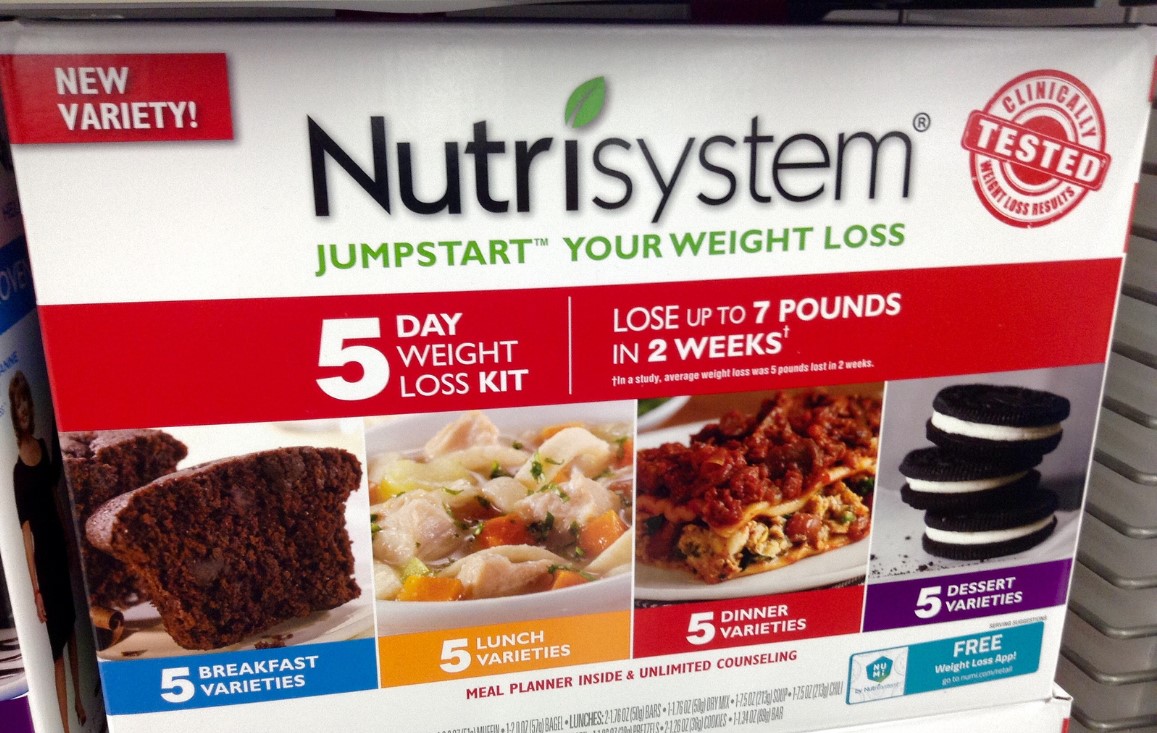
Image Source: Mike Mozart
Tivity Health looks to have paid a notable premium for Nutrisystem, but we think shares have been punished a bit too aggressively. While we are not fond of the deal’s price, it makes sense from a strategic standpoint. However, competition in the weight management market will not subside, and integration and execution risk will be key hurdles.
By Kris Rosemann
We’ve lowered our fair value estimate for Tivity Health (TVTY) after it paid up in mid-December to acquire Nutrisystem for $1.3 billion in cash and stock. While we tend to agree with the directional reaction of the market to the acquisition, shares may very well have been punished too steeply in reaction to the deal. Tivity has evolved into a targeted population health business model, and the purchase of Nutrisystem expands that target population, though with a slightly different tilt. We’re not interested in shares, even as we say they appear to have been beaten down a bit too much, and we would like to get a hold of consolidated financial performance before declaring this proactive healthcare tie-up dead on arrival.
Though we think Tivity paid a notable premium for Nutrisystem’s assets, it now has a new, independent revenue stream and expects to realize $30-$35 million in annual run-rate cost synergies by the end of 2021. At the time the deal was announced, management projected its pro forma net leverage ratio to be ~4.4x at closing, and it will focus on deleveraging in coming years with a target net leverage ratio of 3.5x and 2.5x at the end of 2020 and 2021, respectively.
The deal should expand Tivity’s reach in the under 50 demographic, and it enhances its presence in the weight management market. Third party estimates indicate that 85 million Americans are working to lose weight and another 48 million are actively trying to prevent weight gain, both of which are in-line with Nutrisystem’s target market, as the company estimates that 63% of consumers who want to lose weight would consider Nutrisystem.
Tivity believes addressing weight management among the general population will be integral to the future of healthcare, which is keenly focused on reducing costs of care, and the impact of weight-related complications leading to chronic conditions is well-documented. It is estimated that obesity-related illnesses costs amount to $190 billion per year in the US, or ~21% of annual medical spending.
Enhanced scale is another key positive of the deal, especially as it relates to media buying power for the recently combined entity, and Nutrisystem brings with it a strong web and mobile presence. In this vein, a more diverse mix of marketing media should help drive digital engagement for Tivity’s offerings. In addition, the potential for cross-platform engagement and new integrated products may very well lead to additional revenue synergies over time. Nutrisystem’s offerings focus on calories in, while Tivity’s offerings are geared toward calories out.
However, the acquisition comes at a time when the packaged foods space is facing pressure, and the contrasting dynamic between Nutrisystem’s health-benefit approach to pre-packaged meals will be an interesting story to watch play out. Nutrisystem’s expectations for 2019 as a standalone entity left a bit to be desired, as the mid-point of its revenue guidance would be short of its 2017 revenue performance. Free cash flow generation has been relatively stagnant in recent years as well, but Tivity is encouraged by the potential for synergies to enhance its performance.
Prior to the acquisition of Nutrisystem, Tivity Health’s business had a degree of customer concentration, with its top three customers accounting for ~45% of total revenues as of 2018. Its contracts with two of these three customers have been renewed through the end of 2022, but UnitedHealthcare (UNH) has discontinued offering Tivity’s SilverSneakers to its individual Medicare Advantage beneficiaries and replaced it with a fitness benefit through its subsidiary Optum. This is expected to result in the loss of ~$20 million in annual revenue for Tivity, a figure that becomes far less significant with the addition of Nutrisystem’s revenue stream. However, we cannot rule out other customers making similar moves to bring these benefits “in-house” as a wide variety of avenues are explored in the quest to rein in healthcare costs in the US.
All things considered, the strategic fit of Nutrisystem makes sense for Tivity Health, but it appears as though it paid a lofty premium for the company, especially after considering the headwinds facing packaged food companies of late. We’re big fans of the potential to tap into the weight management market and the targeting of younger demographics, but competition will be intense. Improved media buying power is a nice positive, but it is far from a guarantee of success in capturing incremental members. As a standalone entity, Nutrisystem’s 2019 expectations were relatively lackluster, but Tivity has high hopes for its ability to turn the recently combined entity into a formidable player in the proactive health and weight management space.
—–
Valuentum members have access to our 16-page stock reports, Valuentum Buying Index ratings, Dividend Cushion ratios, fair value estimates and ranges, dividend reports and more. Not a member? Subscribe today. The first 14 days are free.
Kris Rosemann does not own shares in any of the securities mentioned above. Some of the companies written about in this article may be included in Valuentum’s simulated newsletter portfolios. Contact Valuentum for more information about its editorial policies.